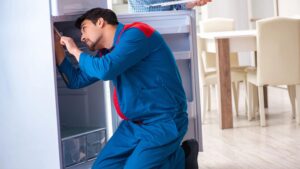
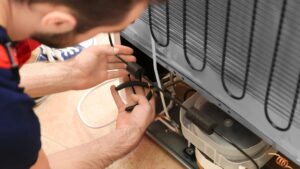
A freezer full of groceries that suddenly stops freezing is the kind of problem that demands attention right away. Freezer repair in Lake Mary FL is something most homeowners only think about once the food inside is already at risk, but knowing the common causes ahead of time can save both money and a kitchen full of spoiled food.
Freezers tend to get less attention than refrigerators, largely because they sit quietly in the background doing their job without much interaction. That makes it easy to miss the early signs of a developing problem, whether it is a slightly softer texture in ice cream or a defrost cycle that takes a bit longer than it used to. By the time the issue becomes obvious, the appliance is often further along in its decline than homeowners realize, which is exactly why this guide starts with the early warning signs rather than jumping straight to full breakdowns.
This guide covers the issues Lake Mary homeowners run into most often, what typically causes them, how Central Florida’s climate factors into freezer performance, and how to tell the difference between a quick fix and a problem that needs a professional visit, along with the maintenance habits that keep a freezer running well long after the initial repair.
Common Reasons Freezers Stop Working Properly
A handful of components are responsible for the vast majority of freezer breakdowns. A faulty evaporator fan can no longer circulate cold air evenly, a failing defrost timer can leave the unit stuck in a cycle that never fully cools, and a slow refrigerant leak can quietly rob the system of its cooling capacity over weeks or months.
Each of these problems tends to show up gradually rather than all at once, which is why catching the early signs matters more than most homeowners expect. A freezer that is losing efficiency will often show subtle changes first, like ice cream that is slightly softer than usual or ice cubes that take longer to fully harden, well before it stops working altogether.
Electrical issues are another category worth mentioning. A tripped breaker, a loose power connection, or a failing start relay can all mimic the symptoms of a bigger mechanical problem, which is why a proper diagnosis matters even for issues that seem obvious at first glance.
Age related wear also plays a role separate from any single failed part. Seals gradually lose their elasticity, fan motors accumulate dust that adds friction, and electrical connections can loosen slightly over years of thermal expansion and contraction, all of which contribute to a freezer gradually becoming less efficient even without one obvious point of failure.
Freezer Not Freezing at All
When a freezer stops cooling entirely, the cause is usually either the thermostat or the compressor. A thermostat that has failed will often leave the freezer running constantly without ever reaching temperature, while a compressor issue tends to come with unusual noise or a unit that will not start at all.
Testing the thermostat is something a technician can do quickly with the right tools, and it is almost always the more affordable of the two possibilities to fix. A compressor replacement is a bigger job, both in terms of cost and labor, since it involves working with the sealed refrigerant system directly.
Before assuming the worst, it is worth checking a few basics first. Confirm the unit is receiving power, check that the breaker has not tripped, and make sure the temperature control has not accidentally been adjusted. These simple checks resolve more freezer complaints than most homeowners expect, and they take only a couple of minutes before deciding a service call is necessary.
Excess Frost Buildup Inside the Freezer
Heavy frost accumulation usually points to a door seal that has lost its grip, letting warm, humid air seep in every time the door opens. It can also signal a defrost system that is no longer clearing frost on its normal cycle, which allows ice to build up gradually over days and weeks.
Florida’s humidity makes this particular issue more common here than in drier parts of the country. Every time a compromised seal lets warm, moist outside air into the freezer, that moisture immediately turns to frost inside, and the cycle repeats every time the door opens throughout the day.
Frost that concentrates heavily around the door edges, rather than spreading evenly throughout the compartment, is a strong visual clue pointing specifically toward a seal problem rather than a defrost system issue, which tends to produce a more uniform layer of frost across the interior walls instead.
Why Manual Defrosting Isn’t a Long Term Fix
Manually defrosting the unit clears the immediate problem but does nothing to address the underlying cause. Without fixing the seal or the defrost components, frost will simply build back up within days or weeks, and the freezer will keep working harder than it needs to in the meantime, which adds unnecessary wear to the compressor and shortens its expected lifespan.
Freezer Running Constantly Without Shutting Off
A freezer that never cycles off is a sign the compressor is working overtime to compensate for something, whether that is a door seal problem, low refrigerant, or a thermostat that is misreading the internal temperature.
Left unaddressed, this constant strain shortens the compressor’s lifespan considerably and often signals a bigger mechanical issue is developing underneath the surface symptom. It also translates directly into higher electricity costs, since a compressor that never rests is drawing power around the clock instead of cycling on and off as designed.
Placing a freezer too close to a wall, or in a spot with poor airflow around the back and sides, can also cause it to run longer than necessary, since the condenser coils need adequate space to release heat efficiently. Confirming a few inches of clearance on all sides is a simple check worth doing before assuming a mechanical fault.
Strange Smells or Leaking Water
An unpleasant odor coming from the freezer is often just spoiled food that needs to be cleared out, but it can also indicate mold growth from prolonged moisture exposure, particularly around door seals or in corners where condensation tends to collect. Water leaking from the unit almost always traces back to a blocked drain line that needs to be cleared.
If an odor persists after a thorough cleaning, it is worth having a technician check for hidden moisture buildup behind the interior panels, since mold in those areas is not always visible from the front of the unit.
A cracked drain pan underneath the unit can occasionally produce the same leaking symptom as a clogged line, though this is far less common and usually only shows up on older units that have seen years of thermal cycling.
It helps to note whether an odor is strongest near the door, near the back wall, or throughout the whole compartment, since that location often points a technician toward the specific source rather than requiring a full inspection of every possible cause.
Chest Freezers and Upright Freezers, Different Failure Points
Chest freezers and upright models share many of the same core components, but their design differences mean certain problems show up more often in one than the other. Chest freezers rely on gravity to keep cold air inside when the lid opens, which makes their door seal less critical but their drain plug, used for periodic defrosting, a more common point of failure.
Upright freezers, by contrast, lose cold air more quickly every time the door opens, which puts more pressure on the door seal and the evaporator fan that redistributes air throughout the compartment. Knowing which type you own helps narrow down where to look first when a problem develops.
Standalone freezers and the freezer compartment of a combination refrigerator also behave a bit differently, since a combination unit shares a single compressor and refrigerant system between both compartments. A problem that seems isolated to the freezer side of a combo unit can sometimes actually originate in a shared component, which is one more reason a proper diagnosis matters rather than guessing based on symptoms alone.
How Garage and Outdoor Freezers Face Extra Wear in Florida
A surprising number of Lake Mary homeowners keep a second freezer in the garage for overflow storage, and garages in Central Florida run considerably hotter than the interior of a climate controlled home, especially in the summer months. That extra ambient heat forces the compressor to work harder around the clock just to maintain the same internal temperature as a freezer kept indoors.
Most freezers are rated to operate efficiently within a specific ambient temperature range, and garages that regularly exceed that range during peak summer heat can shorten a freezer’s working life and increase the frequency of the issues covered throughout this guide. Improving garage ventilation or insulation, where possible, helps offset some of this added strain.
How Often Freezers Need Professional Maintenance
Central Florida’s heat and humidity put extra strain on refrigeration appliances year round. An annual maintenance check, covering the door seals, coils, and drain line, goes a long way toward preventing the kind of breakdown that ruins a freezer full of food.
Homeowners who schedule this kind of checkup once a year tend to catch small issues, like a slightly loose seal or coils that need cleaning, long before they turn into a full breakdown that puts food at risk.
Understanding Your Freezer’s Defrost Cycle
Most modern freezers use an automatic defrost cycle that periodically melts away thin layers of frost before they can build up into a real problem. This cycle relies on a defrost timer, heater, and thermostat working together on a schedule, and when any one of those three fails, frost accumulation is often the first visible symptom.
Older freezer models sometimes rely on manual defrosting instead, which means homeowners need to periodically empty and defrost the unit themselves. Confusing which type you own can lead to misdiagnosing a normal manual defrost freezer as having a defrost system failure when nothing is actually wrong with it.
Protecting Frozen Food During a Power Outage or Breakdown
A fully loaded freezer can typically keep food safely frozen for about 48 hours without power, provided the door stays closed as much as possible. A half full freezer holds that temperature for roughly 24 hours, which is a useful benchmark to know while waiting on a repair appointment.
Grouping items together, keeping the freezer as full as possible, and adding bags of ice or reusable ice packs in any empty space all help extend that window further if a repair cannot happen the same day.
DIY Fixes vs When to Call a Technician
Homeowners can safely handle a few things themselves, including cleaning the condenser coils, checking that the unit is level, and testing the door seal for a proper seal. Anything involving the sealed refrigerant system, the compressor, or electrical components should go to a licensed technician, both for safety and to avoid voiding any existing warranty.
A good rule of thumb is that if a fix requires opening up the back panel, working near the compressor, or handling refrigerant, it belongs with a professional. Anything limited to cleaning, checking seals, or confirming power and settings is safe to try first.
If a repair does become necessary, moving frozen food into coolers with ice packs during the visit is usually enough to keep everything safe for the short window most repairs take.
What a Professional Freezer Diagnosis Involves
A thorough freezer inspection typically checks the door seal, evaporator fan, defrost timer and heater, thermostat, and overall compressor performance, then compares the measured internal temperature against the manufacturer’s target range. This gives a technician a complete picture rather than a guess based on a single symptom.
A written estimate should follow the inspection, outlining the specific part or parts involved and the total cost before any repair work begins. This lets you weigh the repair against the age and condition of the unit with real numbers rather than assumptions, and it protects you from surprise charges once the work is already underway.
Most freezer repairs are completed the same day the parts are on hand, and a technician should be able to give you a reasonable estimate of turnaround time before the visit even ends, so you know what to expect for storing food in the meantime.
Conclusion
Freezer repair in Lake Mary FL is almost always more practical than replacement, and catching the early warning signs protects both your food and your appliance’s lifespan. When something feels off, addressing it quickly, and knowing which checks are safe to try yourself, is the surest way to avoid a bigger repair bill later.
Appliances USA Pro
Appliances USA Pro brings fast, reliable freezer repair expertise to homeowners across Lake Mary, with quick response times and technicians who explain exactly what they find before any work begins. The team understands how Central Florida’s heat and humidity affect refrigeration appliances differently than other climates, and brings that experience to every diagnosis. Schedule a repair today and get your freezer back to full working order before anything inside is at risk.
FAQs
Why is my freezer frosting up so fast?
This is usually caused by a door seal that no longer closes tightly, letting warm, humid air into the unit every time it opens, especially in a humid climate like Central Florida.
Can a freezer be repaired or should it be replaced?
Most freezer issues, including thermostat, fan, and seal problems, are repairable. Replacement makes more sense for units with repeated compressor failures or that are well past 15 years old.
How much does freezer repair cost in Lake Mary?
Costs vary by part, but most common repairs fall in a similar range to refrigerator repairs, generally between $200 and $450, depending on the specific issue.
Is it normal for a freezer to run constantly?
No. A freezer should cycle on and off to maintain temperature. Constant running usually means the compressor is compensating for another issue, such as a bad seal or low refrigerant.
How can I tell if a freezer problem is urgent?
A unit that has stopped cooling entirely is urgent and should be addressed the same day if possible. Frost buildup or minor temperature fluctuations can usually wait a few days for a scheduled visit.
Does the type of freezer I have affect how it is repaired?
Yes. Chest and upright freezers share many core parts, but common failure points differ slightly between the two designs, which is part of what a technician checks during diagnosis.
Is it bad to keep a freezer in an uninsulated garage?
It is not necessarily bad, but Florida’s summer heat can shorten a garage freezer’s lifespan compared to one kept indoors, and it may run less efficiently during the hottest months.
What does a professional freezer inspection actually check?
A thorough inspection covers the door seal, evaporator fan, defrost components, thermostat, and compressor performance, followed by a written estimate before any repair work begins.
Rafael Roa is an entrepreneur and business leader best known as the CEO of Appliances USA Pro, a trusted appliance repair and installation company serving homeowners and businesses across Central Florida. Through his leadership, dedication, and customer-first mindset, Rafael has helped build the company into a recognized name in the appliance service industry.
With a strong focus on reliability and professionalism, Rafael has guided Appliances USA Pro toward providing fast, efficient, and high-quality repair solutions for major household appliances, including refrigerators, washers, dryers, ovens, and dishwashers. His goal has always been simple: deliver dependable service that customers can trust while creating a smooth and stress-free experience from start to finish.
Rafael’s entrepreneurial journey reflects his passion for solving everyday problems and helping people when they need immediate support. He understands how disruptive appliance breakdowns can be for families and businesses, which is why he emphasizes quick response times, transparent communication, and skilled workmanship. Under his leadership, Appliances USA Pro has built a reputation for same-day service options, honest pricing, and customer satisfaction.
In addition to overseeing daily operations, Rafael Roa is committed to building a strong company culture based on accountability, integrity, and continuous improvement. He works closely with technicians and staff to ensure every customer receives professional and personalized service. His leadership style combines operational efficiency with a genuine commitment to customer care, helping the company continue to grow in a competitive market.