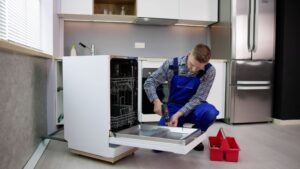
A lot of dishwasher problems get blamed on mineral buildup, dirty spray arms, or a filter that hasn’t been cleaned in a while. And sometimes that’s exactly what’s going on. A thorough cleaning can genuinely fix issues like cloudy glasses, mild odor, or spray arms with reduced pressure. But there’s a category of problems that look similar from the outside yet have nothing to do with cleanliness, and running another cleaning cycle won’t get you any closer to fixing them.
Knowing when your dishwasher needs professional repair rather than another round with the cleaning tablets saves you weeks of frustration and often prevents a more expensive problem down the line. Here are the five signs that tell you it’s time to call a technician.
Why Getting the Diagnosis Right Matters
The stakes with a dishwasher are higher than most people realize. A machine that appears to be a minor nuisance can, if left unaddressed, cause water damage to your cabinetry and flooring, create conditions for mold growth inside the appliance, or develop a complete mechanical failure that makes the unit unrepairable.
According to the Insurance Information Institute, water damage is one of the most common and costly home insurance claims, and appliance-related leaks are a significant contributor. Catching a legitimate mechanical issue early, rather than masking it with cleaning products, is the difference between a $200 repair and a much larger problem.
Sign 1: Standing Water After Every Cycle
If you open the dishwasher at the end of a cycle and find water pooled at the bottom of the tub, the first instinct is usually to clean the filter. That’s a reasonable place to start, and a clogged filter can absolutely prevent proper drainage. But if you’ve cleaned the filter and the problem keeps coming back, or if the filter is clean and the water is still there, you’re looking at a mechanical failure, not a maintenance issue.
The drain pump is the most likely culprit. It’s the component that pushes water out of the dishwasher and into your home’s drain system, and when the pump motor seizes or the impeller breaks, water has nowhere to go. A humming sound during the drain portion of the cycle, combined with no water movement, is a strong indicator that the pump has failed.
A technician will also check the drain hose for kinks or clogs that sit further along the line than you can easily see, and confirm whether the door latch sensor is telling the machine the door is open, which would also prevent draining. Drain pump replacement typically costs between $150 and $300, depending on the brand and model.
Sign 2: Dishes Coming Out Cold or Still Greasy
When your dishwasher completes a full cycle but dishes come out cold, greasy, or with food residue still on them despite running at the right settings with fresh detergent, cleaning the spray arms is usually suggested first. And blocked spray arm holes can indeed reduce wash pressure. But if the spray arms are clear and the problem persists, the heating element is the more likely explanation.
The heating element in a dishwasher serves two purposes: it raises the water temperature during the wash cycle to a level that actually breaks down grease and kills bacteria, and it heats the air during the drying cycle. The FDA recommends that dishwashers reach a minimum internal temperature of 140°F for effective sanitization. When the heating element fails, the water never gets hot enough to cut through grease or properly clean dishes, regardless of how much detergent you use.
A failing circulation pump can produce similar symptoms. If water isn’t moving through the spray arms with adequate force, even heated water won’t clean effectively. Both the heating element and the circulation pump require a technician to test and replace them properly. Repair costs for these components typically run between $150 and $300, depending on the model and what’s involved in accessing the part.
Sign 3: Unusual Noises During a Cycle
A dishwasher makes noise during normal operation, but most of it is predictable: the sound of water filling, the spray arms rotating, and the drain pump running at the end. When new sounds appear, particularly grinding, banging, or loud, sustained humming, they almost always mean something mechanical has changed.
Grinding sounds typically come from one of two places. A worn wash arm bearing creates a grinding or scraping sound as the arm rotates, and it gets worse over time if not addressed. An object that made it past the filter and into the pump impeller creates a similar sound and can damage the pump if it isn’t removed.
Banging or knocking during a cycle is often a spray arm hitting a dish rack or an item that’s fallen forward during the cycle. This is sometimes a simple fix involving rearranging the load or adjusting the rack. But if the sound persists across multiple loads with the dishwasher properly loaded, the spray arm itself may be warped, or the rack bearings may have worn to the point where the rack no longer holds its position correctly.
Loud, sustained humming during the wash cycle that’s different from the normal operating sound usually points to a circulation pump beginning to fail. The motor draws more current as it struggles, which produces a louder, lower-pitched hum than usual. This is worth having a technician look at before the pump fails.
Sign 4: Water Leaking Onto the Floor
A puddle under or in front of your dishwasher demands immediate attention. Beyond the obvious frustration, water leaking onto hardwood or laminate flooring causes damage that compounds quickly, and water reaching the cabinetry beneath the sink or along the base of the dishwasher creates conditions for mold.
The door gasket is always the first thing to inspect when a dishwasher leaks. This rubber seal runs along the inside of the door frame and creates a watertight barrier when the door closes. Over time, gaskets crack, harden, or pull away from the channel that holds them, and water escapes along the door edge during the wash cycle. A door gasket replacement is one of the more affordable dishwasher repairs, typically costing $100 to $150 for parts and labor, and it’s something a technician can usually complete in less than an hour.
If the gasket is intact and the leak is still there, the source is internal. A pump seal failure allows water to escape from the pump housing, which is underneath the dishwasher tub and not accessible without taking the machine apart. A cracked water inlet valve or a loose connection on the water supply hose can also produce leaks that appear at the base of the machine rather than at the door. All of these require a technician to diagnose properly, and acting quickly limits the damage to flooring and cabinetry.
For homeowners in Kissimmee dealing with a leaking dishwasher, Appliances USA Pro’s dishwasher repair team provides same-day service to stop the problem before it causes further damage.
Sign 5: Error Codes That Keep Coming Back After a Reset
Modern dishwashers communicate problems through error codes displayed on the control panel. These codes point to specific components or systems that the machine’s diagnostics have flagged as faulty. When an error code appears, many homeowners try resetting the machine, either by pressing a button sequence or by cutting power at the breaker, and sometimes the code clears and the machine runs normally.
The problem is when the code returns. A code that reappears after a reset isn’t a glitch. It’s the machine telling you that the underlying fault is still there. A reset doesn’t repair a sensor. It doesn’t fix a control board. It doesn’t restore a failed motor. It simply clears the displayed code temporarily while the actual problem remains.
Persistent error codes most commonly point to a faulty sensor, such as a temperature sensor, water level sensor, or turbidity sensor, that’s providing incorrect readings to the control board. They can also point to a control board issue itself, where the board is misreading inputs or failing to send proper signals to components during the cycle. Diagnosing between a sensor failure and a control board failure requires testing with proper equipment, which is why returning error codes are a clear signal to call a technician rather than continue resetting.
Appliances USA Pro serves the Winter Park area and can diagnose dishwasher error codes and component failures accurately on the first visit.
Is It Worth Repairing or Time to Replace?
For dishwashers under 10 years old, most of the repairs covered above are worth completing. Drain pump replacement, heating element repair, and gasket replacement are all relatively affordable, and a dishwasher in otherwise good condition has years of useful life ahead of it.
Dishwashers older than 12 to 15 years facing a major mechanical failure, particularly a control board replacement or a combination of multiple component failures, may reach the point where replacement makes more financial sense. A technician can give you a clear picture of the machine’s condition after a diagnostic visit, allowing you to make an informed decision without guessing. If you’re in the Oviedo area, the team at Appliances USA Pro is available for same-day visits across the region.
About Appliances USA Pro
Appliances USA Pro handles dishwasher repairs for homeowners throughout the Orlando metro area, including Kissimmee, Winter Park, Oviedo, and surrounding communities. Technicians arrive with the diagnostic tools and parts to resolve most dishwasher issues on the first visit. Pricing is discussed upfront before any work begins, and every assessment is honest, with no upselling and no pressure. If your dishwasher needs professional repair, book a visit online and get it handled quickly.
Frequently Asked Questions
How do I know if my dishwasher needs to be repaired or replaced?
A dishwasher under 10 years old facing a single component failure almost always makes more sense to repair than replace. Replacement becomes more competitive when the unit is older than 12 to 15 years and facing multiple failures, or when the cost of a single repair approaches half the price of a new machine.
Why is my dishwasher leaving dishes dirty even after a full cycle?
If cleaning the spray arms and filter doesn’t resolve the problem, the most likely causes are a failed heating element preventing the water from reaching the right temperature, a weakening circulation pump reducing wash pressure, or a faulty water inlet valve that isn’t allowing enough water into the machine.
Why is water sitting at the bottom of my dishwasher?
Standing water after a completed cycle usually points to a blocked or failed drain pump, a kinked drain hose, or a clogged filter. If cleaning the filter doesn’t fix it, the drain pump likely needs to be inspected and replaced by a technician.
Is it worth repairing a dishwasher, or should I buy a new one?
For most dishwashers under 10 years old, repair is the better financial choice. Common repairs like drain pumps, heating elements, and gaskets cost significantly less than a new machine. The calculation shifts on older units or when multiple components fail at the same time.
What causes a dishwasher to leak from the bottom?
Bottom leaks are most often caused by a failed door gasket, a cracked pump seal, a loose water supply connection, or a damaged water inlet valve. Door gasket failures are visible and relatively inexpensive to repair. Internal leaks from the pump or supply line require a technician to diagnose and fix properly.
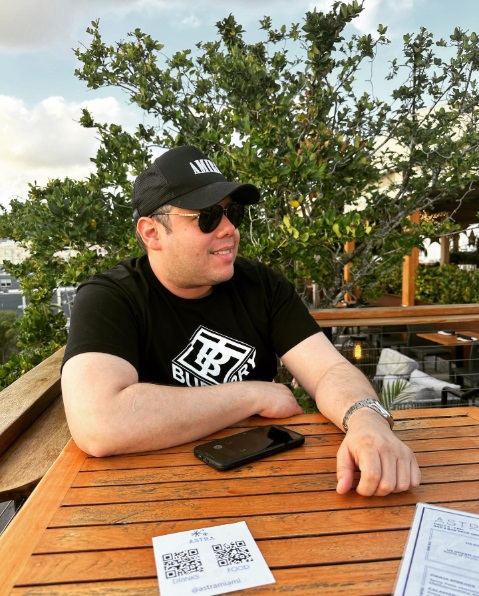
Rafael Roa is an entrepreneur and business leader best known as the CEO of Appliances USA Pro, a trusted appliance repair and installation company serving homeowners and businesses across Central Florida. Through his leadership, dedication, and customer-first mindset, Rafael has helped build the company into a recognized name in the appliance service industry.
With a strong focus on reliability and professionalism, Rafael has guided Appliances USA Pro toward providing fast, efficient, and high-quality repair solutions for major household appliances, including refrigerators, washers, dryers, ovens, and dishwashers. His goal has always been simple: deliver dependable service that customers can trust while creating a smooth and stress-free experience from start to finish.
Rafael’s entrepreneurial journey reflects his passion for solving everyday problems and helping people when they need immediate support. He understands how disruptive appliance breakdowns can be for families and businesses, which is why he emphasizes quick response times, transparent communication, and skilled workmanship. Under his leadership, Appliances USA Pro has built a reputation for same-day service options, honest pricing, and customer satisfaction.
In addition to overseeing daily operations, Rafael Roa is committed to building a strong company culture based on accountability, integrity, and continuous improvement. He works closely with technicians and staff to ensure every customer receives professional and personalized service. His leadership style combines operational efficiency with a genuine commitment to customer care, helping the company continue to grow in a competitive market.